Exploring the Twin Cities of Minnesota / Mni Sóta Makoce then and now

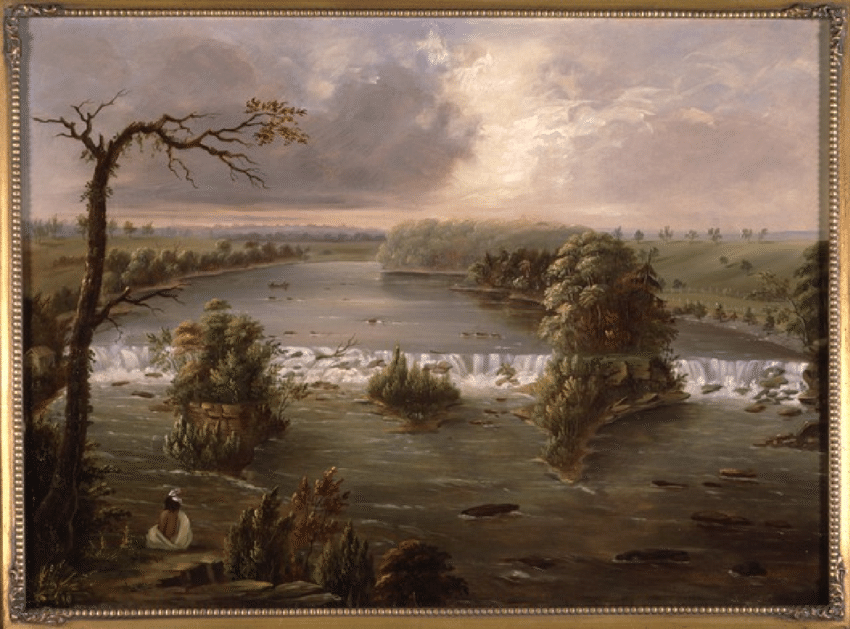
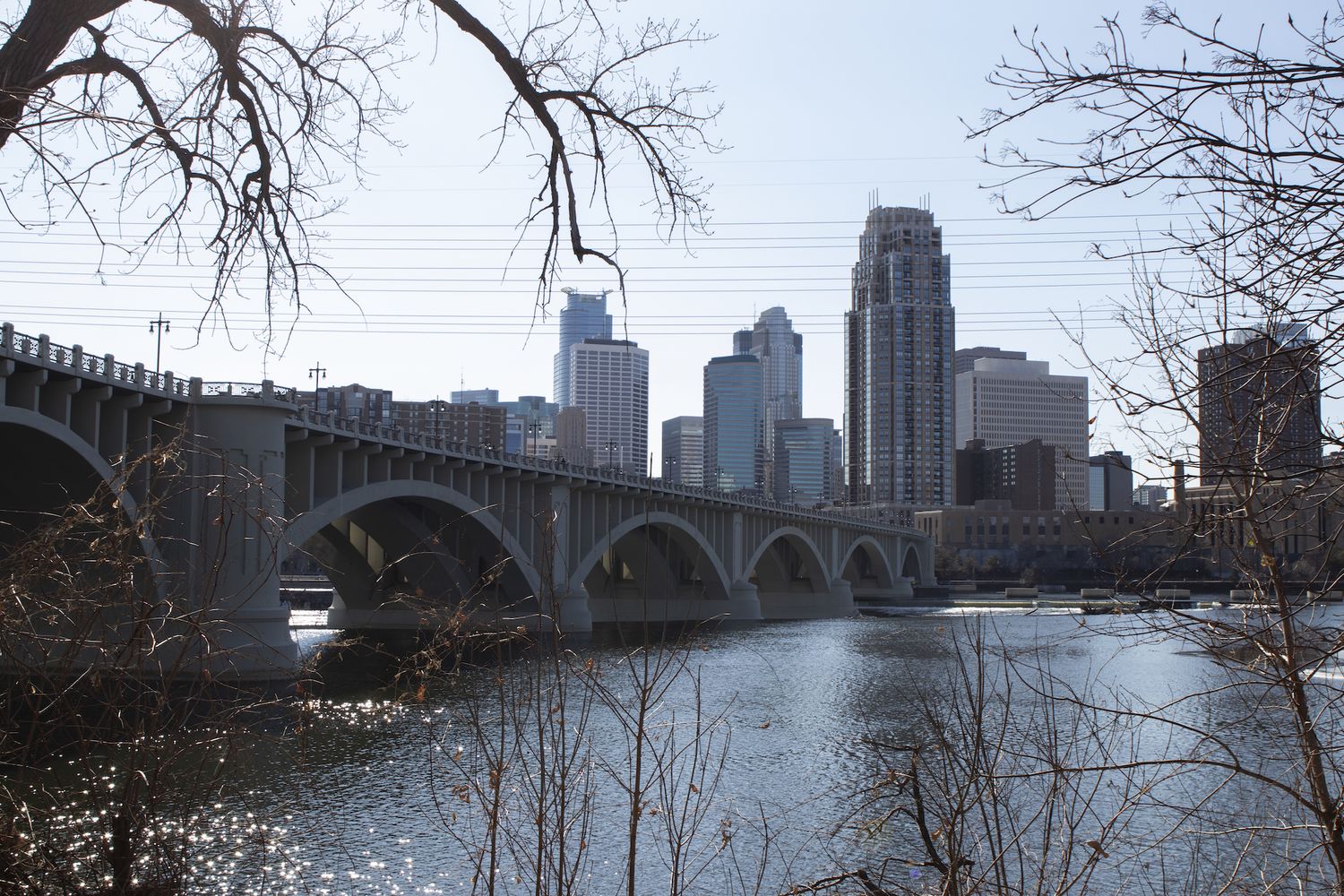
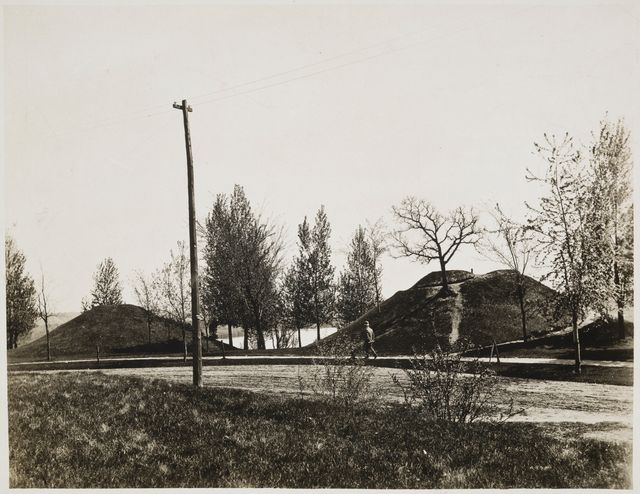
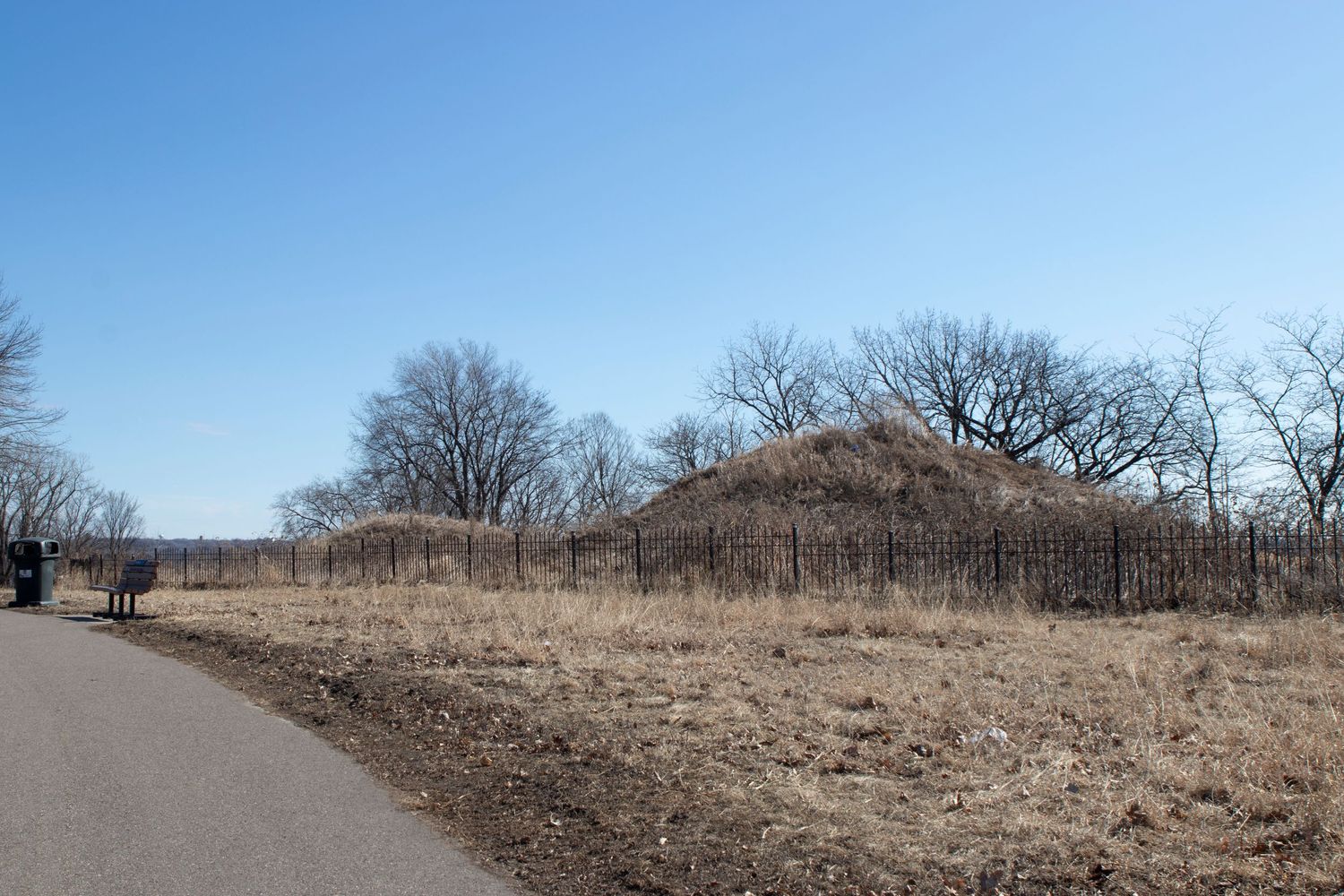
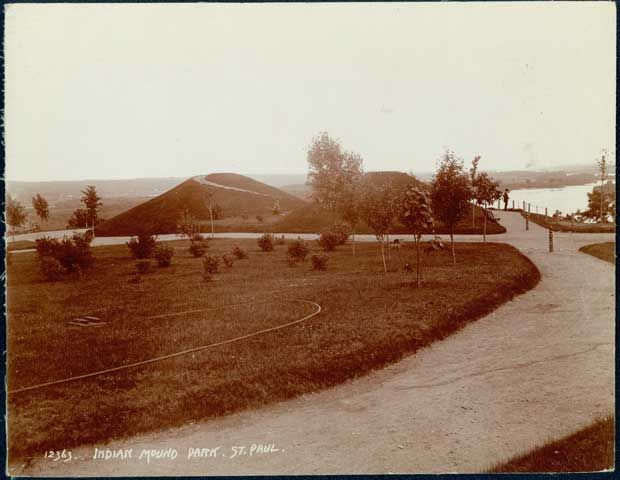
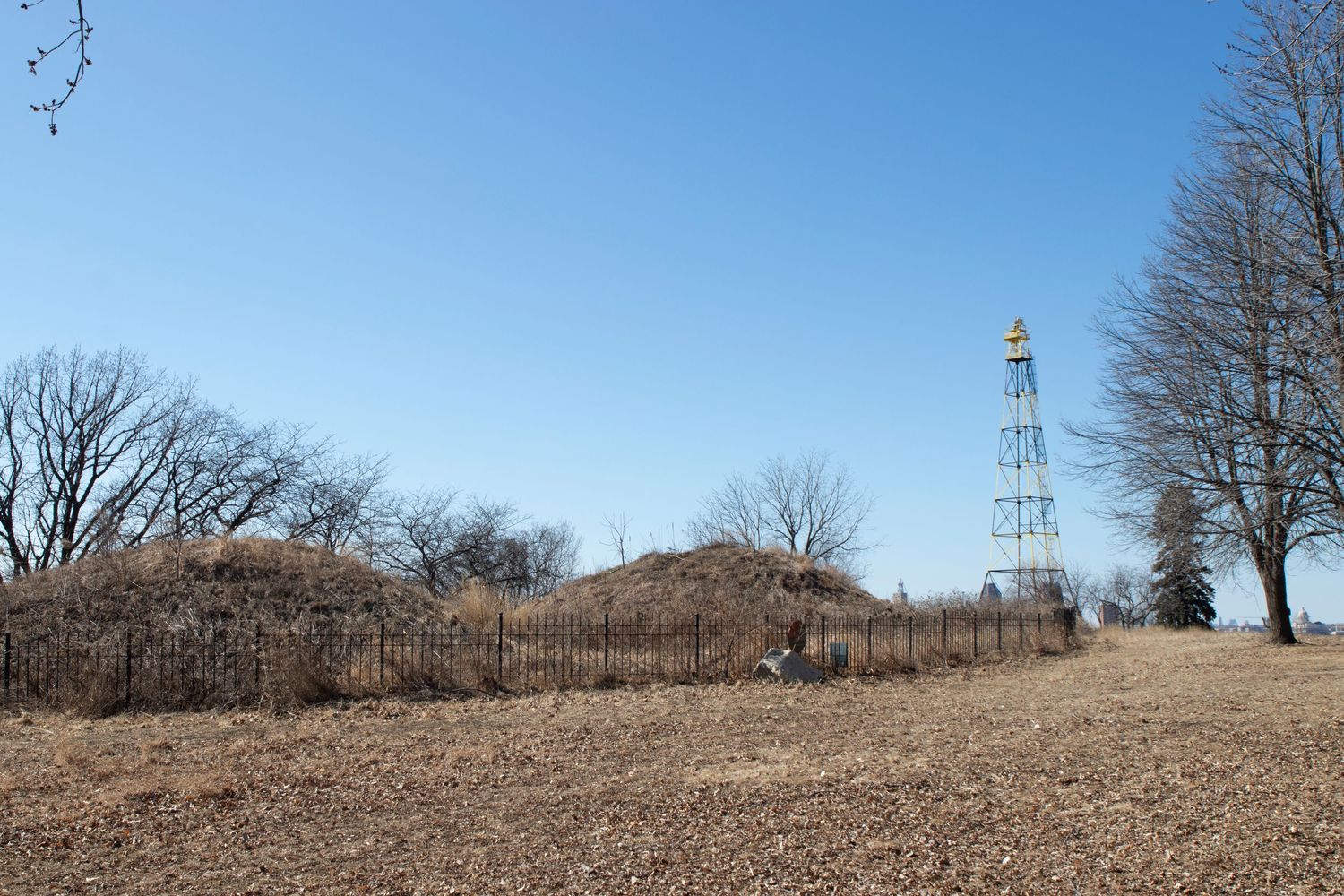
The Dakota and Ojibwe were pressured into signing a series of treaties to give up the land that would become Minnesota. They reluctantly exchanged this land for money and goods, hoping that the promises made in the treaty would mean survival for their future generations. By the 1860s, there were more than 100,000 settlers living in the new state of Minnesota, and most of the region’s Dakota people were left with a small reservation along the Minnesota River valley.
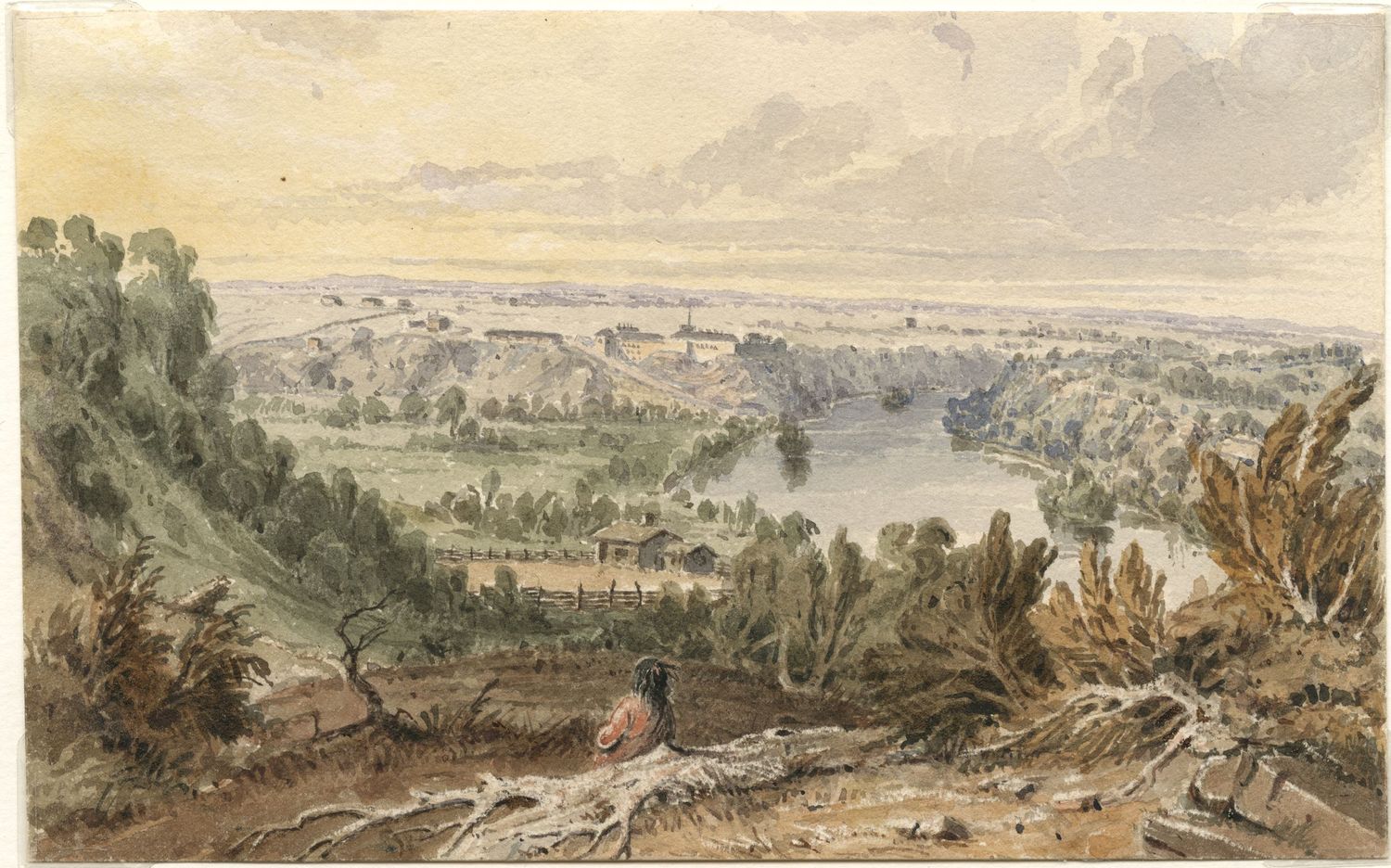
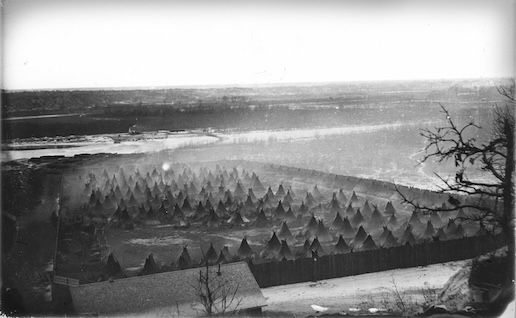
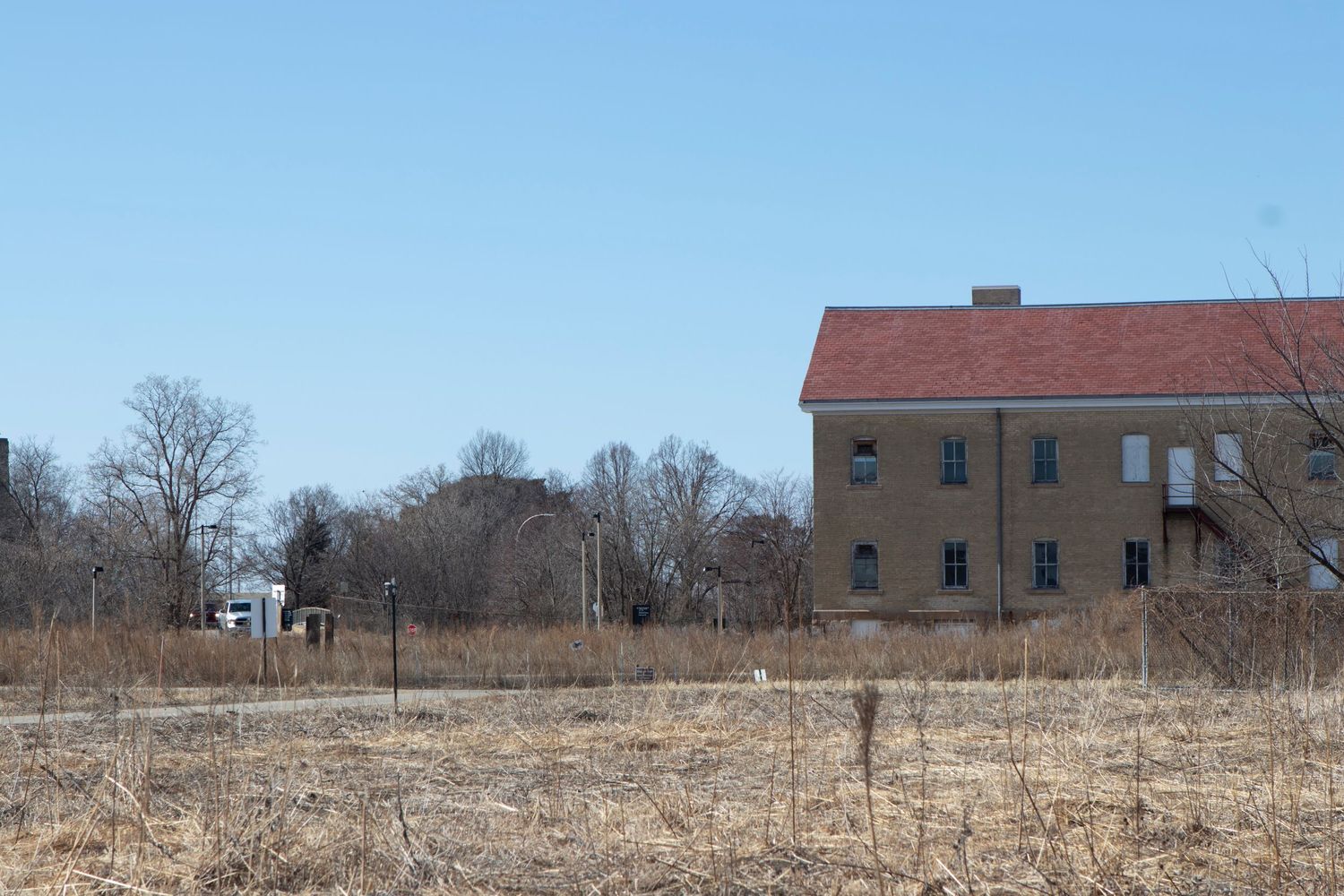
Following the War of 1812, the federal government decided to build a fort on the land. Construction occurred from 1820-25. As part of a policy of westward expansion into Native American lands, Fort Snelling was intended to secure the area surrounding the upper Mississippi River for the United States. An Indian Agency was built near the fort in an effort to control relations with Native people in the region.
Many Dakota were frustrated by years of broken treaty promises, corruption and policies intended to destroy traditional ways. Crop failures and scarce game left many Dakota hungry and in 1862, government treaty payments were late.
On August 18th, 1862, a group of Dakota began attacking trading posts, farms and settlements. Soldiers from Fort Snelling were organized and sent to fight. Minnesotans were frightened and confused, including many Dakota, who were divided over the conflict. After six weeks of fighting that left hundreds dead, the Dakota were overpowered.
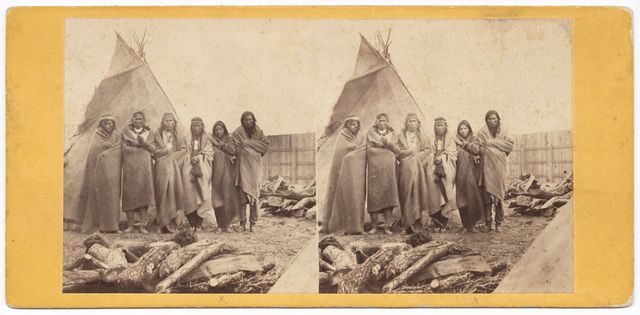
After the war, many white Minnesotans demanded vengeance. More than 300 Dakota men were imprisoned and 38 men were executed in Mankato, Minnesota, the largest mass execution in United States history. Later, two leaders within the Dakota war party, Sakpedan and Wakanozanzan, were imprisoned, tried and executed at Fort Snelling. Those pictured
on the left were not listed as those executed in Mankato, so they were likely killed later or shipped off to reservations.
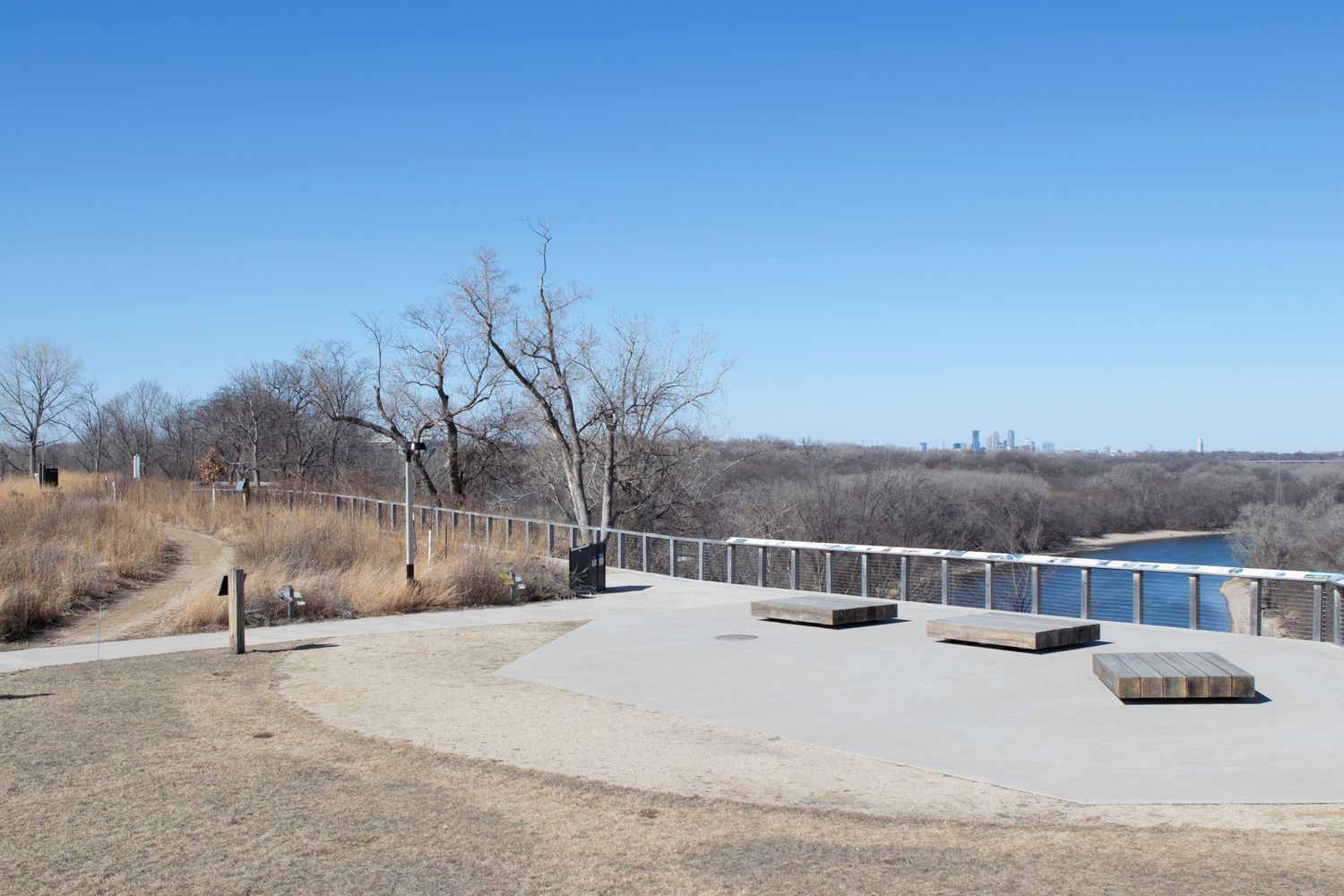
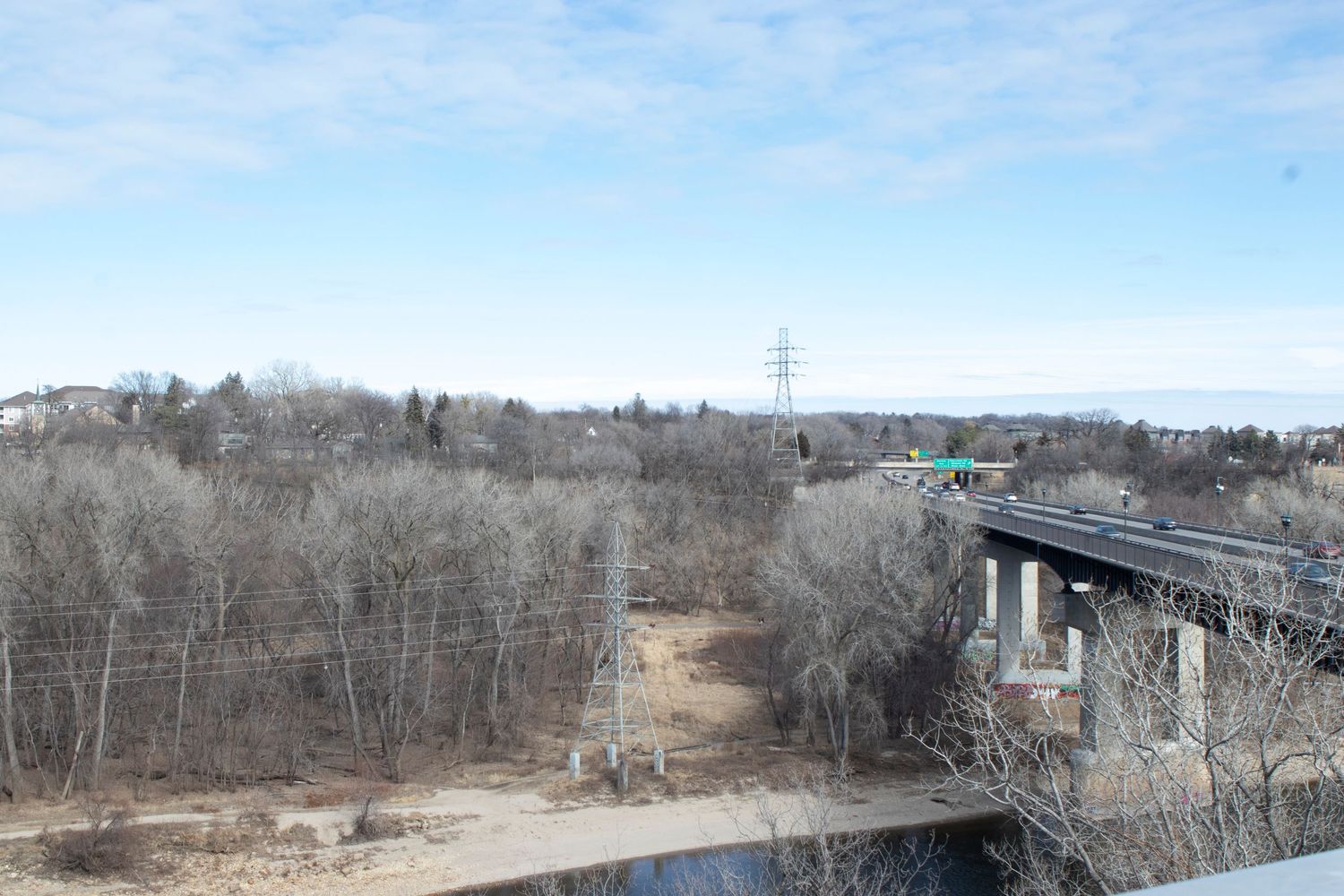
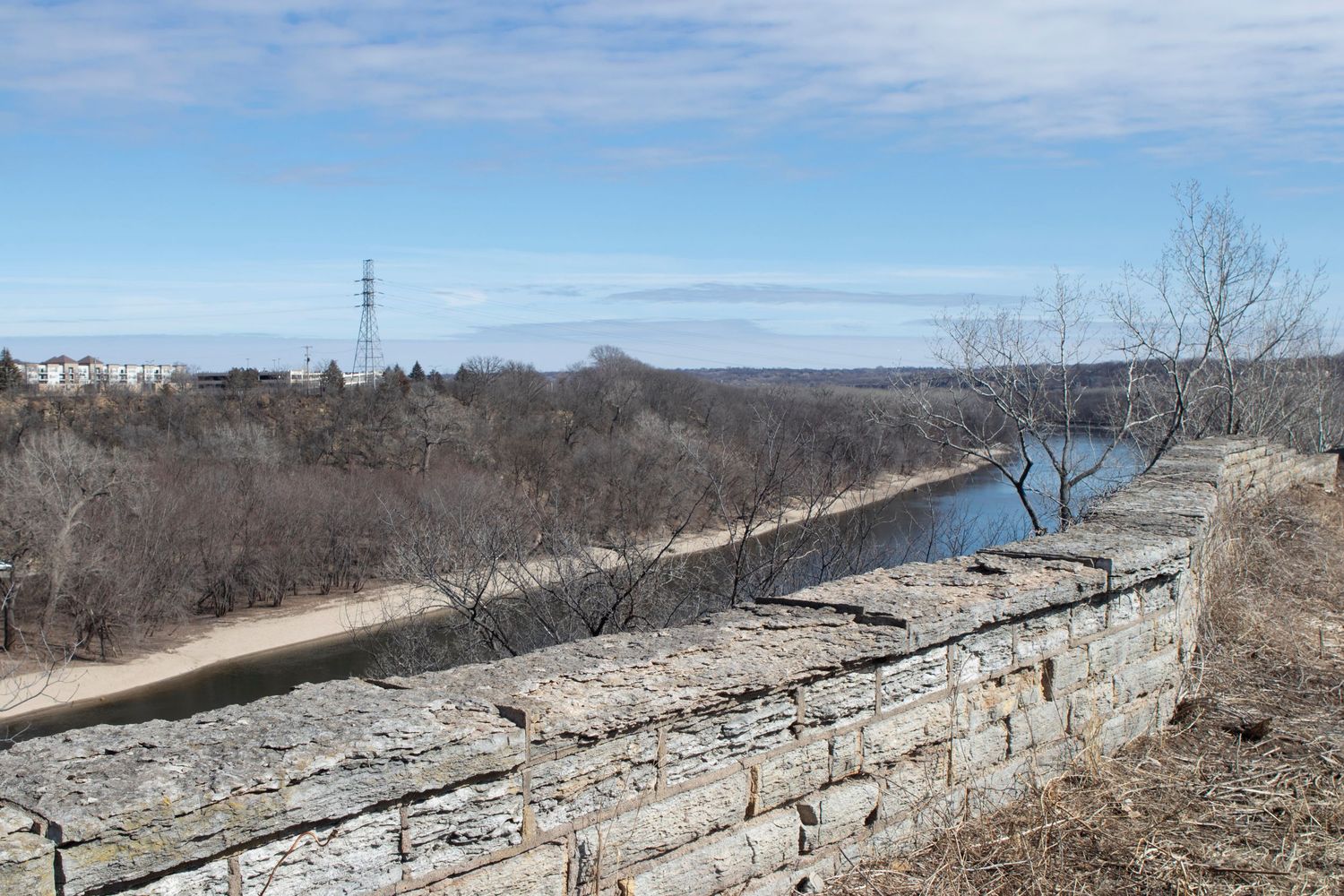
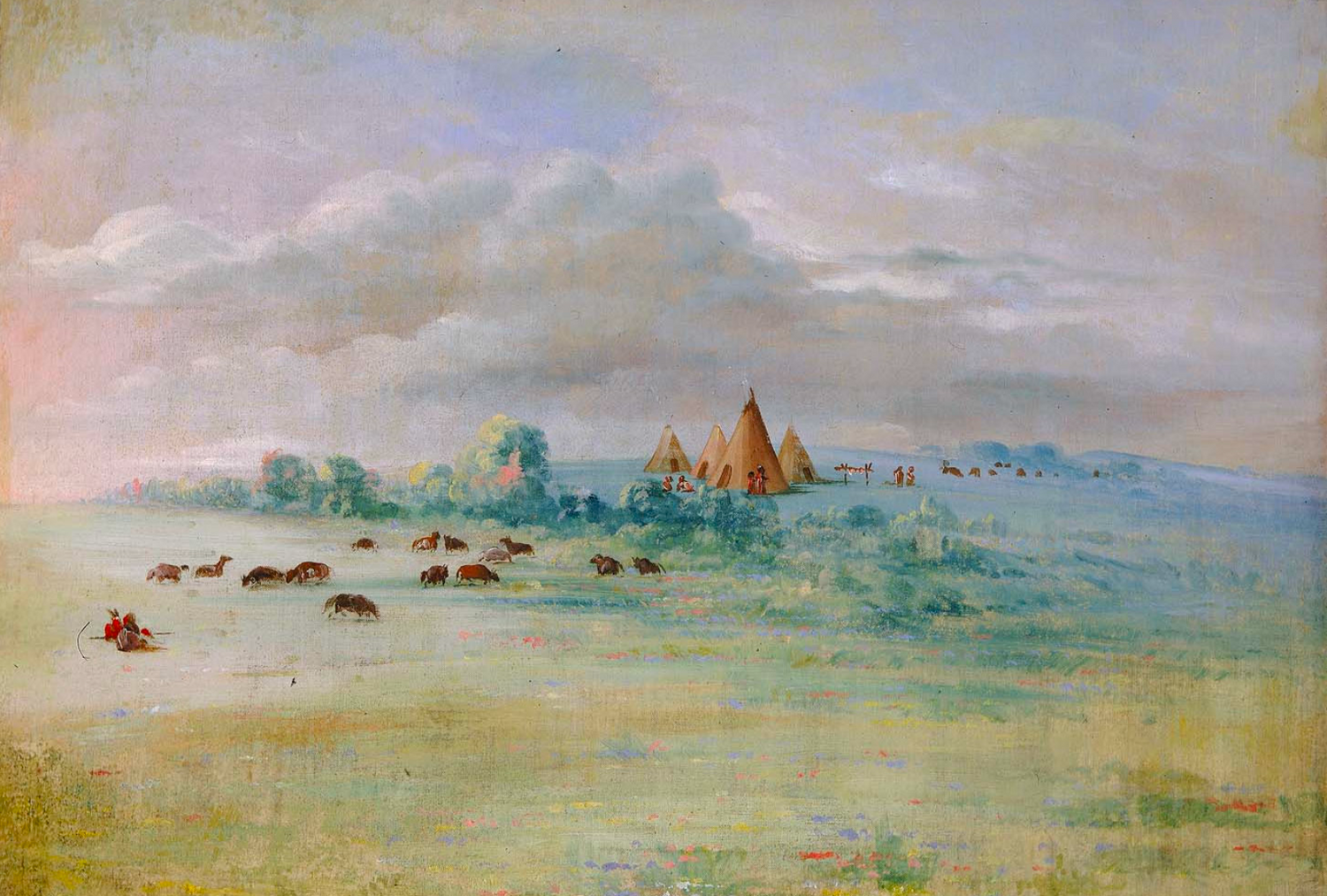
MNI WICONI – WATER IS LIFE.
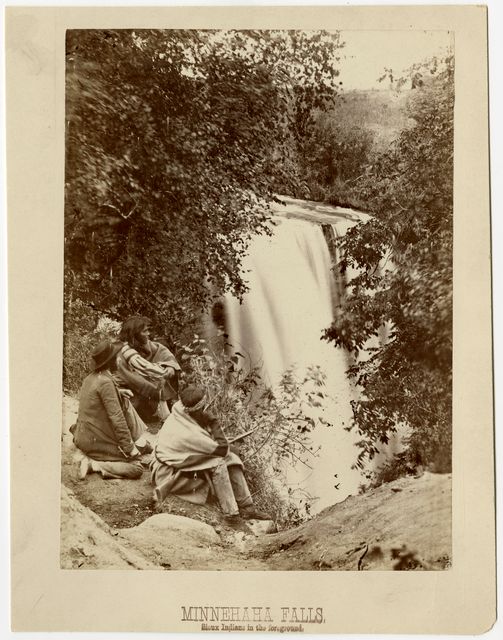
Dakota people considered the falls, their name derived from the Dakota words mni (water) and gaga (falling or curling), an important place where all could gather in peace. However, Army Lieutenant Zebulon Pike bought the land for the U.S. government from the local Dakota in 1805.
In 1885, Minneapolis sponsored legislation to acquire the falls and surrounding land as a state park.
By 1889, 173 acres of land for a park and a home for indigent soldiers had been chosen and appraised. A group of Minneapolis citizens raised money to loan to the city, who gave it to the state to buy the park land.
Landscape architect Horace W. S. Cleveland proposed leaving the falls and the creek below it in their natural state. Despite later suggestions to build a parkway down the glen to the river, the glen has not been developed, except for stairs, hiking paths, and bridges. The park board did build a pavilion in 1892 on land beside the falls. They also constructed a parapet wall near the
rim of the falls and bridges over the creek the following year. Later buildings included a refectory and a bandstand.
Luckily, the land has remained largely untouched. However, the amount of tourists attracted to the falls can obscure its beauty and significance to the Dakota people. Or does tourists’ appreciation for the site enhance its significance?
THE STORY OF DAKOTA CREATION
“A very long time ago, Wakantanka (The Great Mystery) created many children. As he did so, he placed a part of himself into each being. For instance, he gave the quality of swiftness to the deer, perseverance to the turtle, strength to the buffalo, and majesty to the eagle.
Every bird, plant, animal, and tree was created so that each was unique and had a part of Wakantanka.
One day, Wakantanka was walking in the Paha Sapa, or the Black Hills, and he was looking sad. As he was walking he began to shed tears. They would fall from his eye and would splash and dry into nuggets of gold. Maka, the Earth, also known as Ina, meaning Mother in our language, wondered why her husband was sad. She asked, ‘Have I offended you in some way? Have I been unfaithful to you? Have I not given you many children?’ When he responded negatively to all those questions, she asked,
‘Why then are you looking so sad? Why do I see tears fall?’
Wakantanka replied, ‘I have many children and they are all
beautiful, but I have another piece of myself to give. When our children are frightened, they nestle in you for safety. When they are thirsty, they turn to your waters. And, when they need sustenance, they receive food from your meadows. I want children who speak to me and call me by name.’ Wakantanka wanted a creature to look to him for help and to need him.
When Ina Maka heard this, she wanted to give a piece of herself to help create a being who would look like her husband. She called on the waters to help her. She instructed them to come at her in great magnitude and carve into her flesh. But, the waters did not want to harm her. She reassured them that they would not harm her, that it was a gift she wished to give. So they came at her and began to carve into Ina’s body, but the first attempt was unsuccessful. It didn’t work. So she then called on the help of the winds from the four directions.
They also refused at first, saying they did not want to harm her. She told them, ‘You will not harm me. Blow into my body.’ So the winds agreed. They blew a giant gash into her and exposed the red clay of her body. She called to Wakantanka, ‘My body is open to you. Reach into my body and make a body in the image of yourself.’
This was the creation of the first human being. Ina told Wakantanka, ‘You will recognize your children. They will be as red as the day. They will call to you, give thanks to you, and share with you your voice.’ Wakantanka put everything into his two-legged children. He gave them love, and the ability to communicate that love. They have a special voice that Wakantanka wanted to hear. With that voice we can say, ‘Thank you for all the blessings,’ or ‘On this day I give you thanks.’ When we are scared, we go to our father and we say, ‘Look down upon me. Have
pity on me. Have pity on my relatives. Help us.’”
“The creation account I just shared is for Dakota people. I am not sharing it with the expectation that non-Dakota people will subscribe to it or that they will begin to conceive of Bdote as their place of origin. Our origin story does not dictate that because the Bdewakantunwan emerged at Bdote, that all human populations must have emerged there. That is not our way. Instead, the reason I am sharing this story is to demonstrate the ancient and sacred relations we have with this landscape. ... our stories assert that we were created here and that we
have always lived here.”
— Waziyatawin, from HOW MINNESOTANS WRESTED THE LAND FROM DAKOTA
PEOPLE
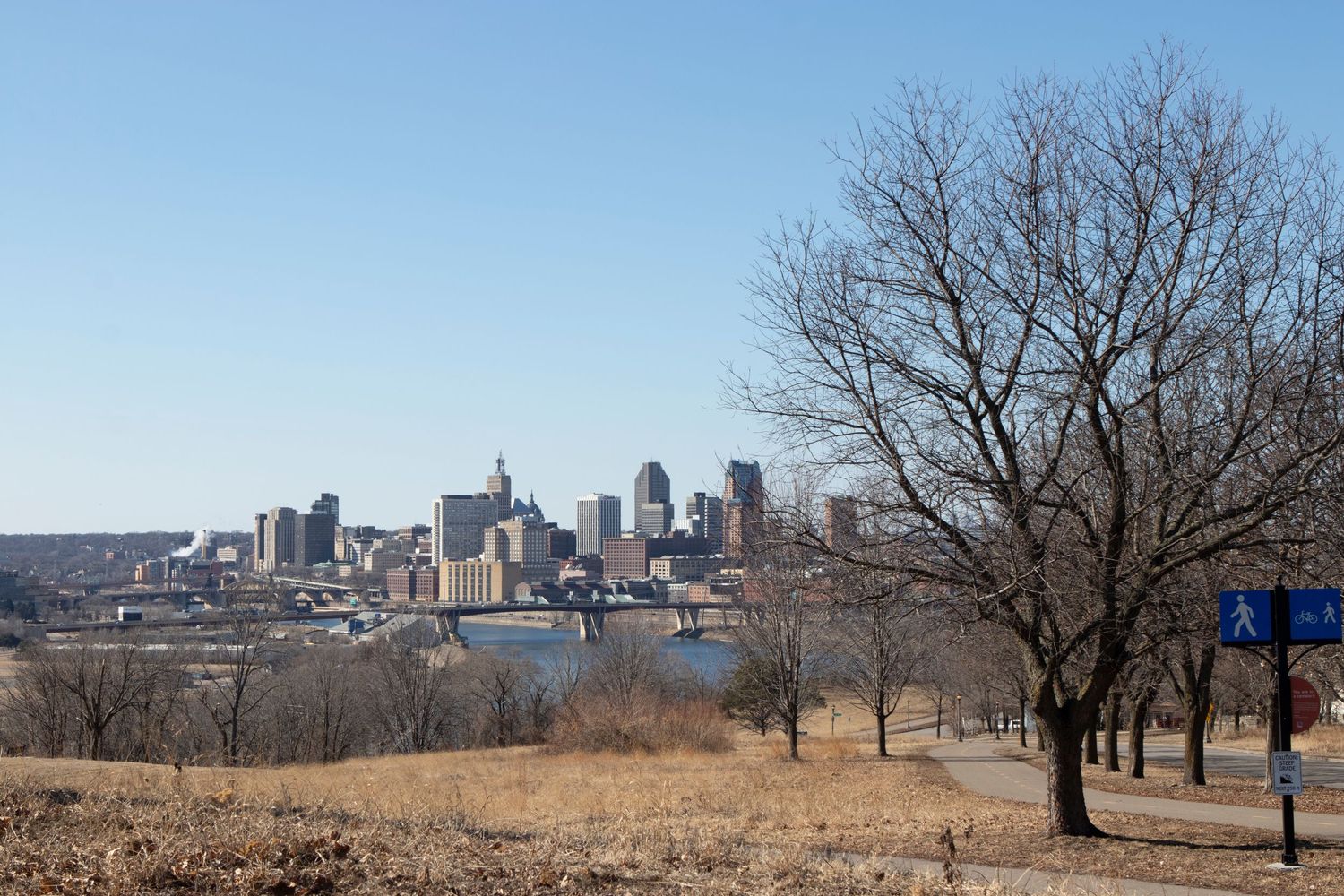
I believe we can all take a page from the Dakota peoples’ book and make an effort to restore this land to its greater form, while also allowing future advancements to take hold. You don’t have to be of Dakota dissent to agree with the message in their story of creation—we all come from this land, and should therefore respect it as if it is our elder. I can’t help but wonder what Minnesota would look like if settler colonialism never took over, destroying
communities and landscapes alike.
The cities of Minneapolis and St. Paul have been making waves in recent years to preserve the land that is left, and repair relationships with Native peoples, but there is definitely room for more, and for more Native voices in the conversation. After all,
WE LIVE ON NATIVE LAND.
CITATIONS:
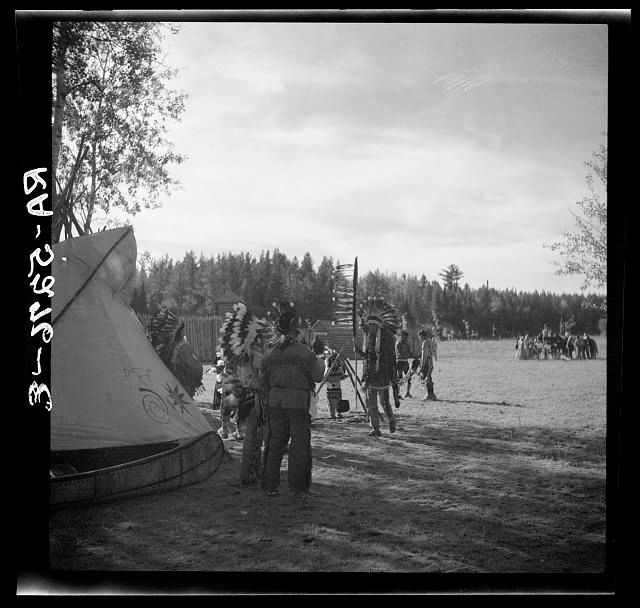
1. Rostein, Arhtur. Dakota Indians, Lake Itasca, Minnesota. Nitrate Negative Photograph.July-August, 1936. Obtained from the Library of Congress.
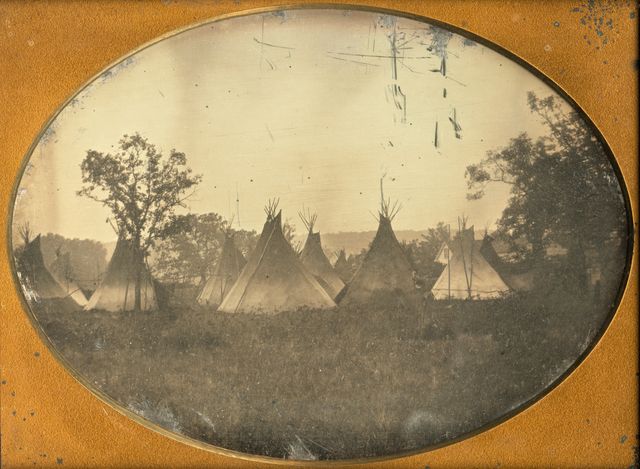
2. Elwell, Tallmadge. Indian tepees, site of Bridge Square, Minneapolis. Daguerrotype. 1852. Obtained from the Minnesota Historcial Society.
3. Lewis, Henry. St. Anthony Falls on the upper Mississippi. Oil on Canvas. 1848-1849. Obtained from the Minnesota Historical Society.
4. 106 Group. A Brief Cultural History of the Falls, from “WATER WORKS INTERPRETIVE PLANNING: Research and Implications”. December 1, 2016. Page 12.
5. Author Unknwon. Indian mounds at Indian Mounds Park, St. Paul. Photograph. 1900. Obtained from the Minnesota Historical Society.
6. Author Unknown. Indian Mound Park, St. Paul. Colorized Photograph. 1900. Obtained from the Minnesota Historcal Society.
7. Whitney’s Gallery. Six Dakota men in prison compound at Fort Snelling. 1864. Obtained from the Minnesota Historical Society.
8. Eastman, Seth. Fort Snelling from Two Miles Below. Watercolor Painting. 1846-48. Obtained from the Minnesota Historical Society.
9. Upton, Benjamin Franklin. Captured Sioux Indians in fenced enclosure on Minnesota River below Fort Snelling. Photograph. 1862. Obtained from the Minnesota Historical Society.
10. “Where the Waters Meet: Stories of Historic Fort Snelling.” Minnesota Historical Society. March 3, 2020. Video, https://www.youtube.com/watch?v=O_rD2QD_bXc.
11. Catlin, George. Sioux Village, Lake Calhoun, near Fort Snelling. Oil on Canvas. 1835-1836. Smithsonian American Art Museum. Obtained from Wikimedia Commons.
12. Upton, Benjamin Franklin. Minnehaha Falls, Sioux Indians in the foreground. Photograph. 1857. Obtained from the Minnesota Historical Society.
13. Smith, David. “Minnehaha Falls, Minneapolis.” MNopedia, Minnesota Historical Society. http://www.mnopedia.org/place/minnehaha-falls-minneapolis
14. Waziyatawin, Ph.D. Story of Dakota Creation from Chapter One: How Minnesotans Wrested the Land from Dako-
ta People in “What Does Justice Look Like?: The Struggle for Liberation in Dakota Homeland”. (Living Justice Press, St. Paul, MN, 2008.) Pages 17-19.
We Live on Native Land
Poppy Lokowich
2025